We know the brain is capable of healing. We experienced it in the early days of neuro rehab when we rapidly relearned to walk, or focus our eyes, or write a grocery list. It was amazing!
But for some of us, things started to feel stuck.
Symptoms like headache, fatigue, insomnia, and light and sound sensitivity didn’t improve. Skills like working memory, balance, and executive functioning returned only a little. Mixed up with life circumstances changing, isolation, depression, and anxiety, we began grieving our purpose-filled, energetic past lives.
Some of us were even told by experts that we've "plateaued" and there's nothing more to do.
We wondered if we'd lost our sense of self and reason to live, for good.
At Possibilities, we know there's a lot more to be done! There is a lot of hope for further healing.
The mission of Possibilities is to advance neuroplasticity-enhancing therapies for people with brain injuries through awareness, research, and access. We aim to deliver them safely in environments conducive to deep healing – in nature, with community, and paired with intentional practices.
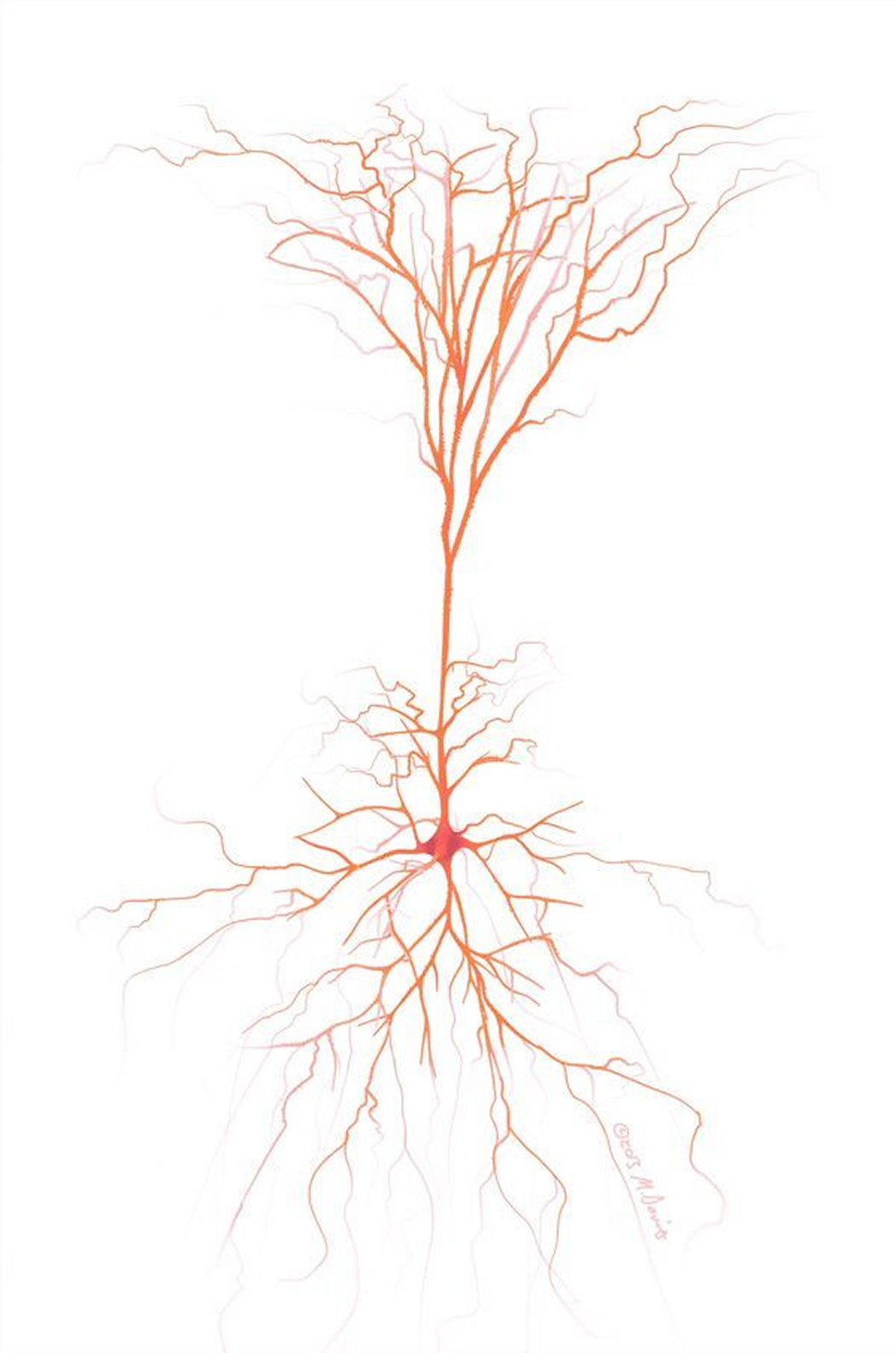
1. Neuroplasticity therapiesNeuroplasticity is the brain's ability to form new connections. It allows us to learn and recover. Most mainstream neuro rehab therapies use the brain's innate capacity to form new connections by repetitions of tasks.
We're introducing a new term, called
neuroplasticity therapy. Neuroplasticity therapies give the brain extra ability to form new neural pathways, far beyond what it can do on its own. They include emerging neuromodulation technologies and ancient psychedelic medicines. They are are often paired with somatic (mind-body) practices like breathing and meditation.
We aim to help people with any kind of brain injury with neuroplasticity therapies:
-traumatic brain injury (TBI) including concussion
-stroke
-other acquired brain injuries (ABI) from Auto-Immune Encephalitis, infection, toxin exposure, tumor removal, hemorrhage, aneurysm, Long COVID, etc.
All are brain injuries. Those injuries can disrupt and weaken neural pathways, making the brain "noisy", as the neurologist Dr. Norman Doidge described in his book
The Brain's Way of Healing. Highly recommended reading! Noisy brains could use some extra neuroplasticity to make their pathways efficient and thorough again.
For a growing number of us, neuroplasticity therapies have made it possible to overcome the chronic symptoms and deficits that once stood in the way of independence, work, interpersonal roles, and hobbies. They do so by accelerating the rebuilding of skills practiced in rehab or by helping us see past our trauma so that we can reconnect with our true nature again. Such transformation opens a
world of possibilities for what can become of our lives again.
2. Environments conducive to deep healingIs extra neuroplasticity always good? Absolutely not.
The environment, intention, and attention matter a lot. Without these pieces in place, there is a high chance of building unhelpful pathways, worsening nervous system regulation, and becoming traumatized.
Possibilities aims to deliver containers for these powerful neuroplasticity therapies that are safe and intentional so that maximum healing can be had.
We are a nonprofit corporation with a fantastic set of advisors and board members.
1. Bob Wold, the Founder and Executive Director of
ClusterBusters.
2. Casey Paleos, MD, a pioneering psychiatrist who is researching psychedelic medicines and the delivery of them at
Innermost and
Nautilus Sanctuary.3. Rachel Wurzman, PhD, LCSW, who is bridging the worlds of academic neuroscience and folks with lived experience of neurological conditions at Wellcome Leap.
4. Rylee Osterberg, who is caregiver of a person with a stroke and an experienced nonprofit leader.
We're currently applying 501(c)(3) status so we can receive tax-exempt donations in the future.
In 2027 we'll launch a robust infobase on neuroplasticity-enhancing therapies – they already exist, and anyone trying them should have resources – and host more group-based programs.
Interested in collaborating as a physician, neuro rehab therapist, psychologist, holistic practitioner, researcher, builder, or funder? We hope you reach out.
Interested in exploring new treatments for your brain injury? We hope you reach out too.
Stay tuned!